-9%
Twinkle Gupta
Higher Judicial Service Examinations MCQs Subject-Wise
₹633₹695
Inclusive of all taxes
Check Delivery
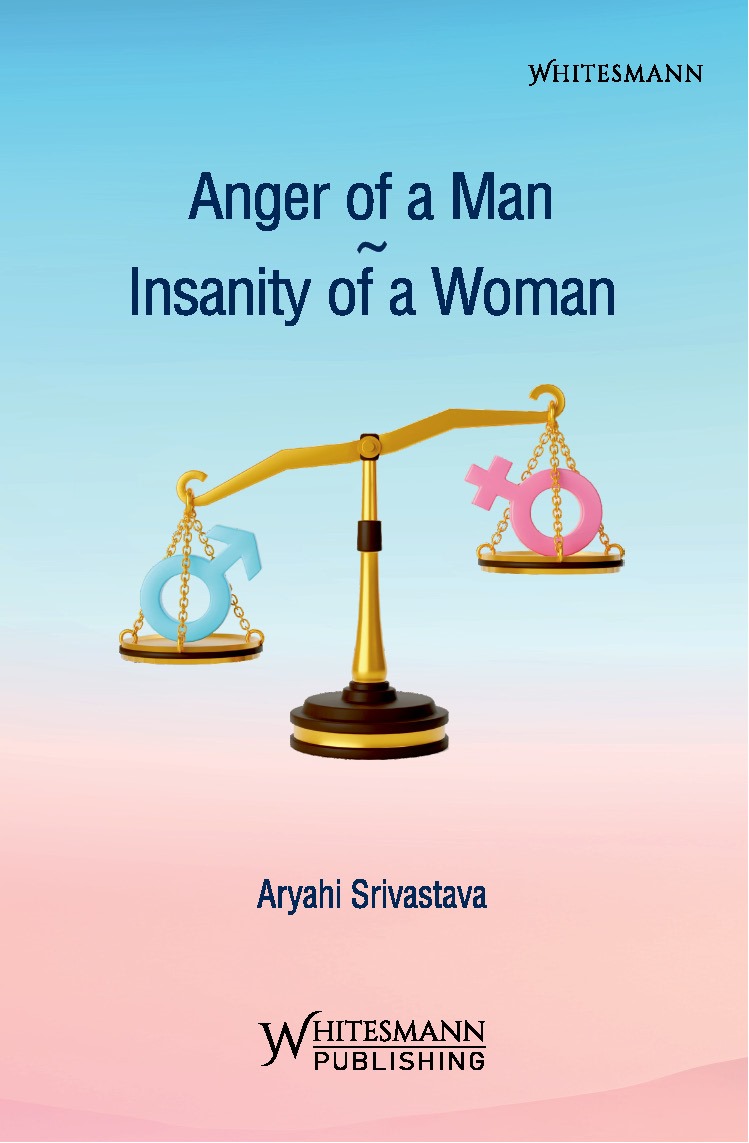
ANGER OF A MAN INSANITY OF A WOMAN BY ARYAHI SRIVASTAVA The concept of “anger of a man, insanity of a woman” reflects a historical and social double standard where men’s anger is often seen as a sign of strength or passion, while women’s anger is frequently labeled as irrational or a sign of mental instability. This perception is deeply rooted in societal expectations and stereotypes about gender roles and emotional expression. Men’s Anger: Romanticized: In many cultures, men’s anger is portrayed in popular media and literature as attractive, powerful, and even a sign of masculinity.
Externalized: When men express anger, it’s often attributed to external factors like the situation or other people.
May be seen as justified: Sometimes, men’s anger is seen as a natural response to frustrating circumstances.
Women’s Anger: Devalued and suppressed: Women are often discouraged from expressing anger, and their emotions may be dismissed or minimized.
Internalized and potentially harmful: When women do express anger, it’s frequently met with negative reactions, such as being labeled as “crazy,” “hysterical,” or “unhinged”.
Often attributed to personality: Women’s anger is more likely to be seen as a personal flaw or a result of their personality rather than a reaction to external events.
Historical context: Historically, women’s anger has been pathologized, with conditions like “hysteria” used to explain their emotional outbursts.
Feminist perspective: Some feminist theorists view women’s anger as a form of resistance against societal oppression and a catalyst for social change.
Backlash: Women may face backlash or negative consequences when they express anger in ways that contradict societal expectations.
You May Also Like