-9%
Twinkle Gupta
Higher Judicial Service Examinations MCQs Subject-Wise
₹633₹695
Inclusive of all taxes
Check Delivery
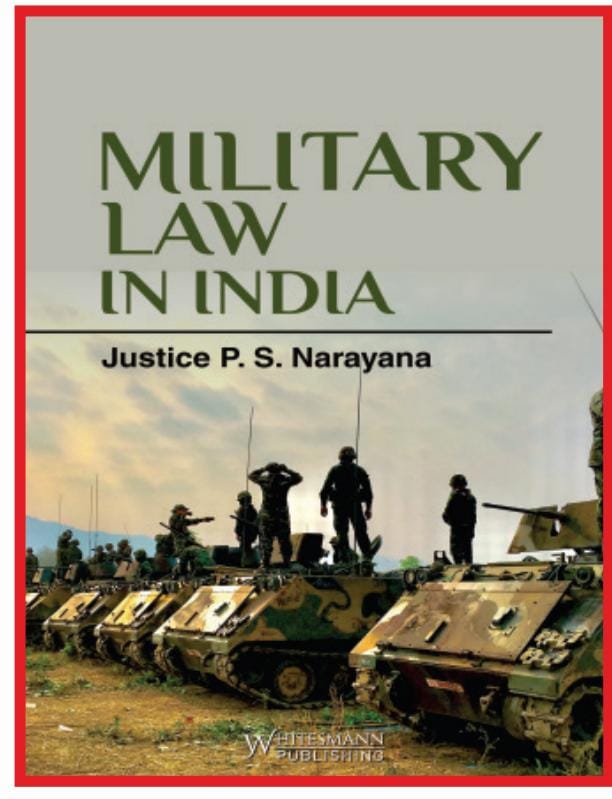
Military law in India, governed by statutes like the Army Act, 1950, and the Air Force Act, 1950, regulates the conduct and discipline of armed forces personnel. It includes provisions for enrollment, duties, offenses, and the administration of justice within the military. The law also addresses the interaction between military and civilian legal systems, including the possibility of martial law and the role of the Armed Forces Tribunal.
Here’s a more detailed breakdown: Key Aspects of Military Law: Statutes and Regulations: Military law is primarily codified in the Army Act, 1950, the Air Force Act, 1950, the Navy Act, 1957, and associated rules and regulations, including Army Rules, 1954, and the Regulations for the Army.
Discipline and Order: Military law aims to maintain discipline and order within the armed forces, ensuring professional conduct and obedience to orders.
Jurisdiction: Military law has a broad jurisdiction, extending to personnel both within India and abroad, particularly during active service or operations.
Offenses and Punishment: It defines various offenses specific to military service, such as desertion, mutiny, and disobedience, and prescribes punishments ranging from fines to imprisonment.
Courts-Martial: Military courts (courts-martial) are established to try offenses under military law, with varying levels of authority and procedures.
Relationship with Civil Law: While military law generally operates within its own framework, there are provisions for interaction with the civil legal system, including instances where both courts may have jurisdiction.
Martial Law:
You May Also Like